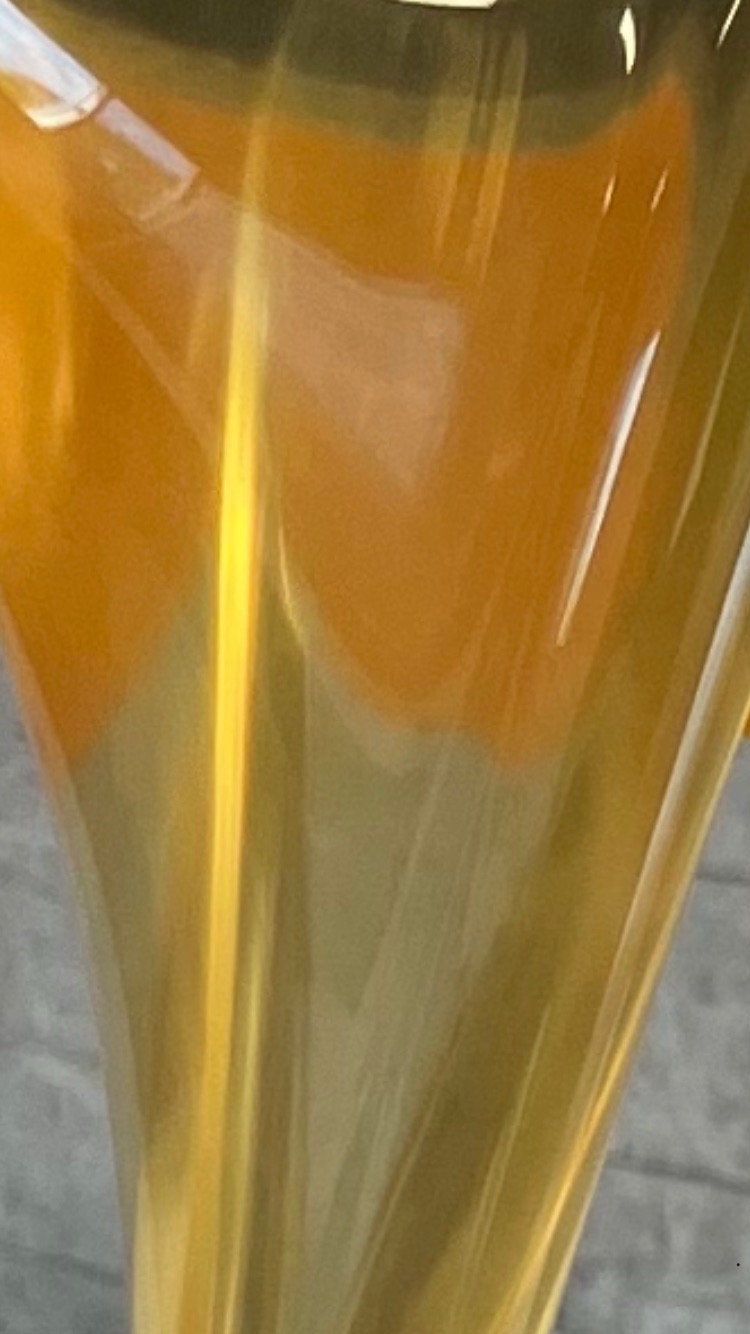
Recipe #2 is here! This is one of our favorites, for complimenting our meals and using for immunity. It’s Fermented Honey Garlic!
Here at Shalom Apiaries garlic is almost as populous as honey, and we love eating both.
Ingredients:
garlic
honey
Directions: Peel garlic cloves and put into a glass jar, leaving at least 1.5 inches of space at the top. Add liquid raw honey, or soften your crystallized honey before pouring on top of the garlic cloves. Leave on countertop or in a cupboard to ferment for a number of months. Garlic provides just enough liquid to allow the honey to ferment, and the honey lends its sweetnes to the garlic, making a delicious spicy-sweet condiment. The only downside? You have to be patient for it 😉
Through research this winter and preparing my talk for the Wildflowers Women’s Homesteading Conference spring 2026, I came to understand how crucial a pollen supply is for a producing colony, and how the worker bees ration the supply especially in the spring before flowers are blooming and after the flowers have finished blooming in fall. Brood production is impacted greatly on the amount of pollen that comes in, but even more importantly, the consistency of the supply. Pollen is a necessary ingredient in both bee bread (the food fed to worker and drone larvae after the first 6 days of development) ‘worker jelly’ (a wondrous pure food from the nurse bees’ mandibular and hypopharygeal glands) and the infamous royal jelly, which is a special jelly secretion that is slightly different than the worker jelly, with a higher sugar content and different vitamin profile, which is used for not only raising queens, but feeding them throughout their lives. There is no physical way a queen can eat enough pollen to satisfy her calorie requirements, which may lay up to her body weight in eggs every day!! The growing brood is a ravenous mouth in the colony and drones also require a substantial amount, to which the worker bees feed, mouth to mouth. Finally the hard working foragers, who will first feel the brunt of a dearth, when it comes, as they are the first to get rationed.
Backing up to the beginning… when a worker bee emerges, she’s ‘born’ hungry. She heads over to the open cells of honey to satisfy her hunger and get some energy…but sugar is about all that honey can provide, so next, she finds the stored pollen. She must build her protein reserves in order to be able to produce all the wonderful secretions and feed for nursing young bees and queens in her youth, keep her immune system strong, and live long enough to complete the rest of her life cycle. She eats consistently for about 5 days until she ‘tanks out’, and her glands are mature, her body is fat, and she’s ready to produce royal jelly.
The point that every beekeeper needs to understand is that the real nutrition for the colony comes from pollen. Pollen provides proteins, fats, vitamins, sterols, minerals, and micronutrients that bees need for growth and health. Colonies need 30-100 pounds of pollen per year! Much of this is foraged through the summer, but it can help immensely to supplement pollen in spring (and fall, if needed) to stimulate strong brood production.
Pollen is typically eaten fairly quickly by nurse bees, but if it is stored for longer periods it may undergo lactic acid fermentation which may preserve it, similar to yogurt or sauerkraut. Bees will also store honey on top of pollen, to ‘save’ it for early spring or periods where there is no pollen forage at all.
Bees not only store pollen and honey in the cells of the comb, but also in their bodies, in the form of the incredible molecule, vitellogenin. This molecule allows the bee to store protein reserves, make royal jelly, promotes the longevity of queen and “winter” bees, is a part of their immune system, allows them to brood up in spring in the absence of pollen, and has an effect upon their foraging behavior. Amazing!! Vitellogenin is indeed the “Fountain of Youth” for the honeybee!
Pollen foraging by foragers is not only stimulated by the pheromones of the brood, but also the inventory of the pollen stores as is communicated by the foragers receiving their food from the nurse bees. The quality of the jelly that is shared from the nurses is directly related to their vitellogenin reserves. Even just a few days of rain can result in almost total loos of stored pollen, forcing the nurses to dig into their reserves. When protein levels drop, nurse bees will ration the jelly given to foragers, then neglect the young larvae, and feed those closer to being capped. If levels drop lower, nurses will cannibalize eggs and young larvae, ‘recycling’ the protein back into jelly for food, and may also cap over larvae sooner, resulting in lower emerging weight of the adult bee.
Winter
So the European honeybee, has figured out a way to store honey for the winter and protein in their bodies, in the vitellogenin reserves. The emerging bees in the fall, with the broodrearing curtailed and thus having no young bees to feed, store all that good food in their bodies and become ‘fat’, protein rich bees with strong immunity, thanks to the vitellogenin reserves and ready to face the winter, where they’ll survive on honey alone.
I’m going to finish this post with a quote from Randy Oliver of Scientific Beekeeping, one of my favorite sources of bee knowledge: “In summary, protein is precious to the honeybee colony, and its sole natural source is a mixture of plant pollens. Bees store reserves of protein in the bodies of house bees in the form of vitellogenin, and conserve those reserves zealously, by recovering them before house bees graduate to become field bees. Field bees thus give up the life-extending and immunicological benefits of vitellogenin. Protein is transferred within the colony from bee to bee by the sharing of vitellogenin produced by nurse bees. Vitellogenin levels affect the foraging behavior of field bees. Nurse bees, queens, and winter bees are long-lived and more stress and disease resistant due to their high vitellogenin titers. Successful wintering is dependent upon the last rounds of bees emerging in the late summer/fall having adequate pollen available in the broodnest.”
Continue learning of the beauty and intricacies of the honeybee to more successfully keep your colony(s) healthy, productive, and disease free!
Hey! We’re starting a new thing. Everyone loves a good recipe, tried and true, and well-loved. Here at Shalom Apiaries, we not only harvest delicious raw wildflower honey, we also use it copiously in our kitchen! On the Shalom Apiaries recipe blog posts, I’ll be sharing my own recipes that use honey, whether tweaked to my liking from existing recipes or inventions I’ve made all my own!
Iced coffee season is officially here, and we all love a good flavoured drink. Here’s my totally-invented-by-myself iced coffee syrup. (Hint: it is also amazing in homemade iced capps, lattes, or regular coffee!!)
Ingredients:
1 cup freshly brewed coffee (Our favorite is North River Coffee’s Columbia medium roast, from Riverbend Farms!)
1 cup Shalom Apiaries raw honey
1 tbsp pure vanilla extract
2 tsp sea salt (trust me on the amount!)
Directions:
Stir all ingredients together until honey and sea salt has dissolved. Refrigerate for up to a month for best freshness. Use your nose after this.
True fact: Honey won’t ferment ever unless it contains more than 18.3% moisture and is properly sealed. This syrup is approximately 65% moisture 😉
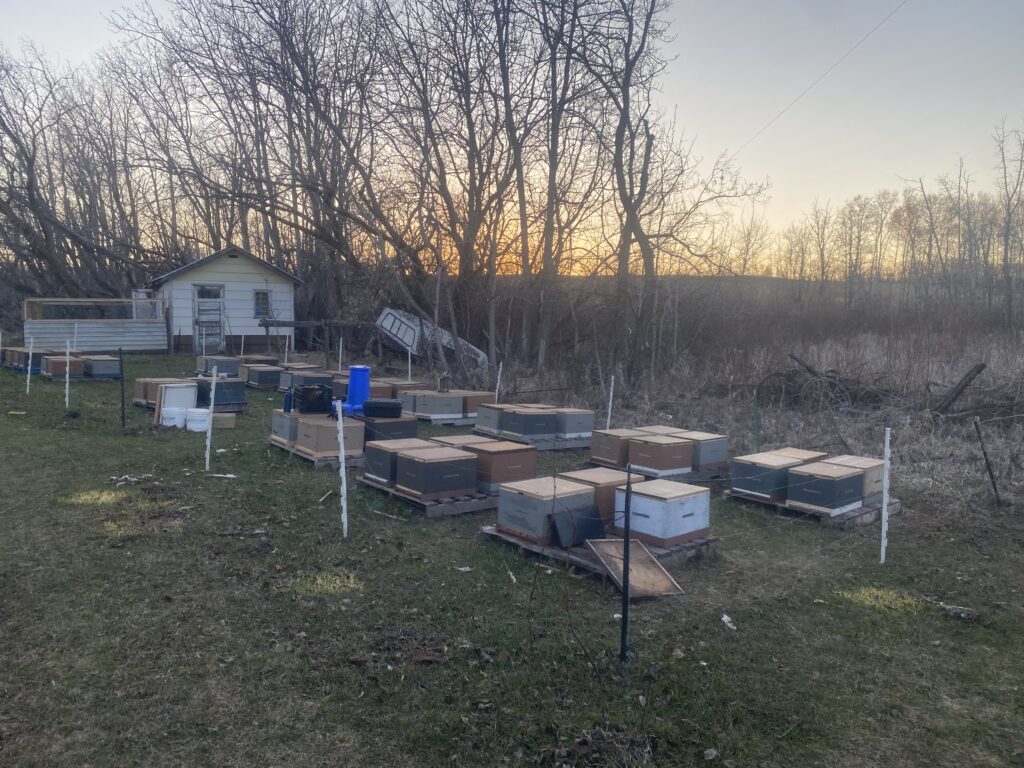
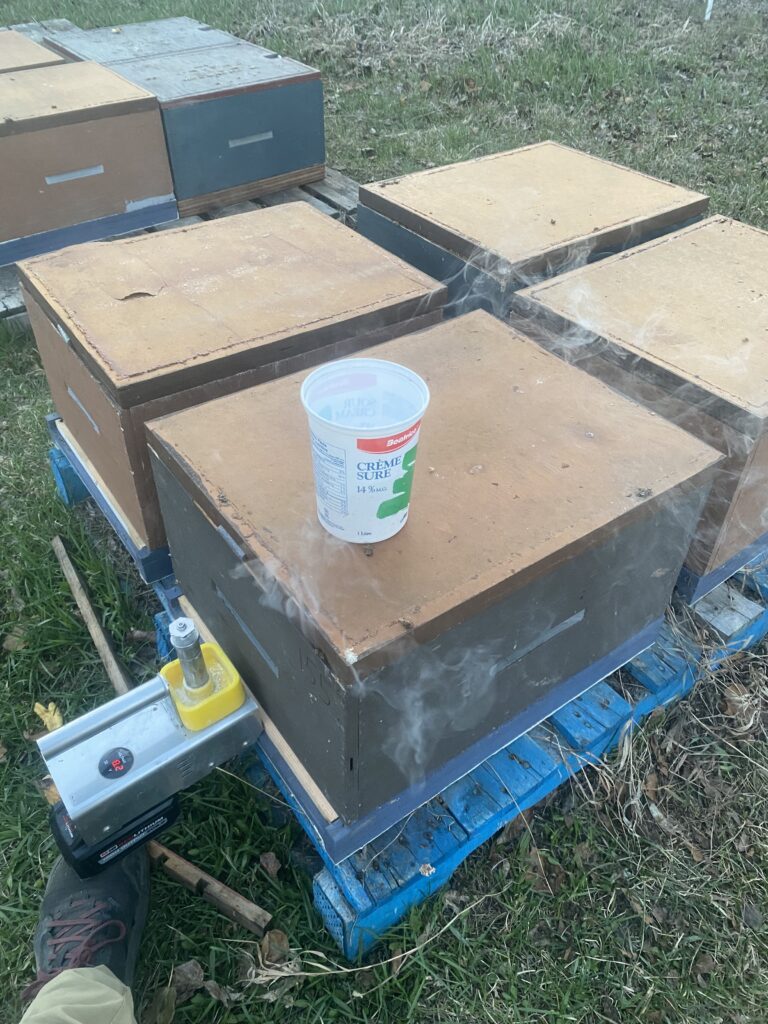
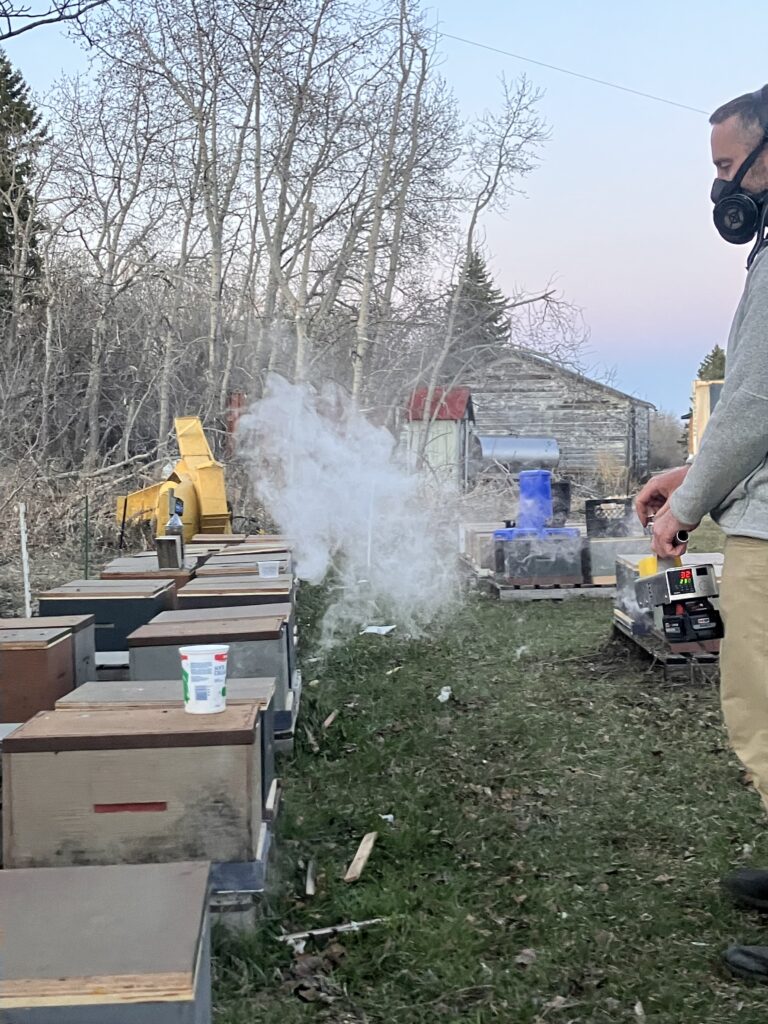
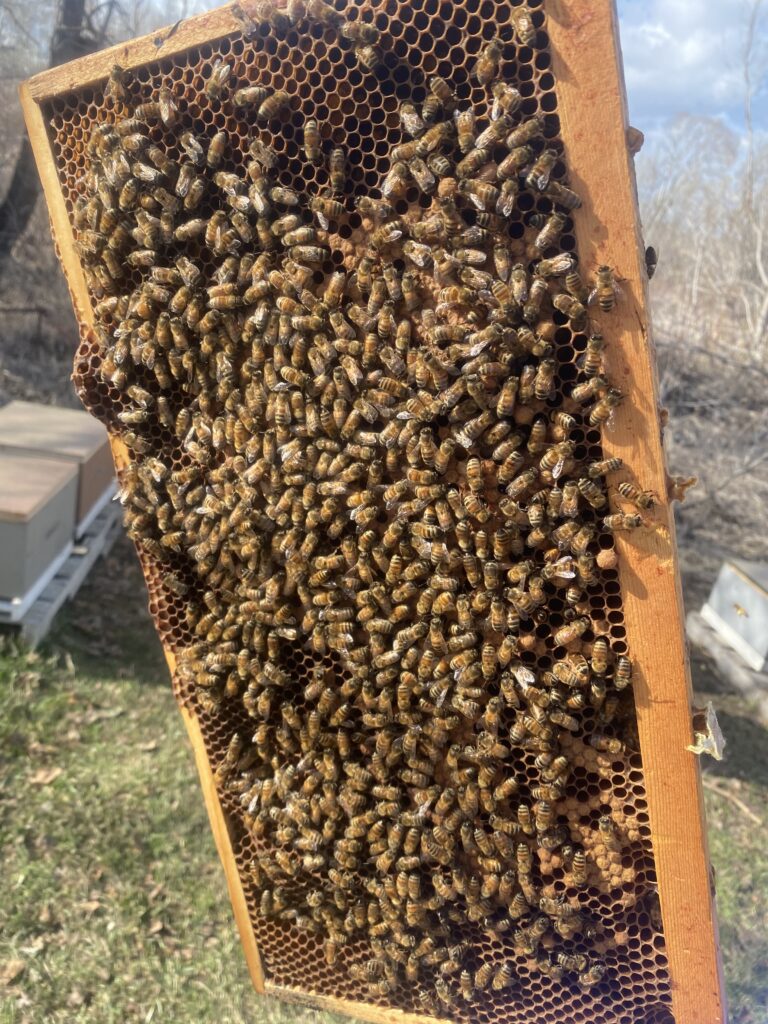
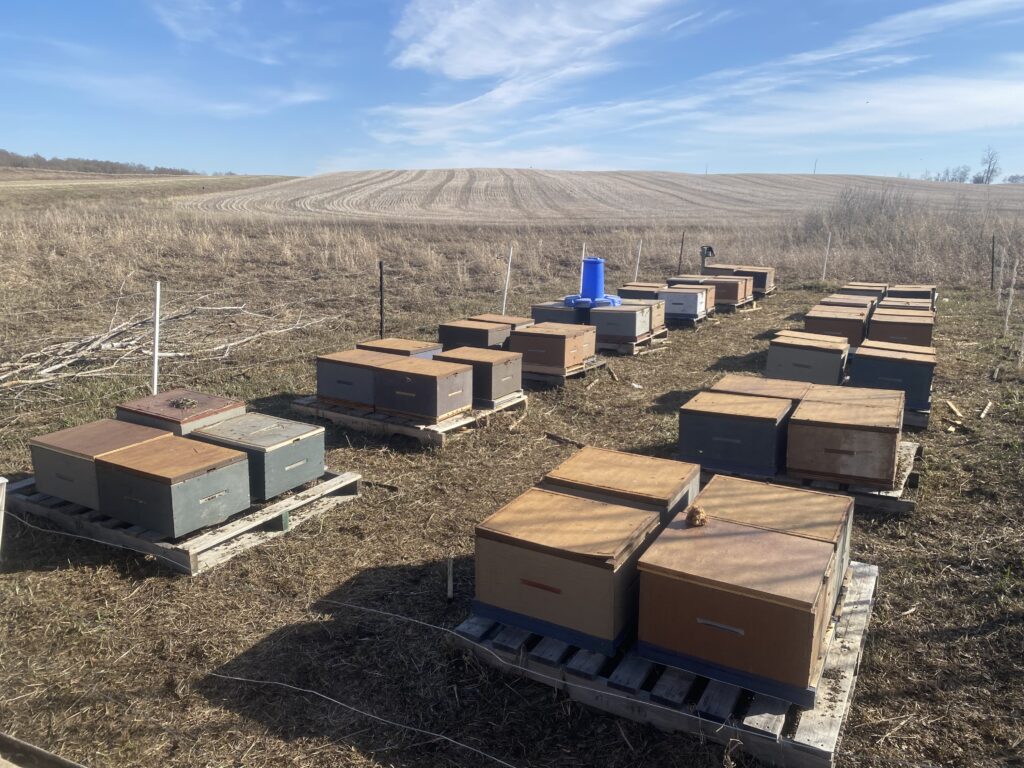
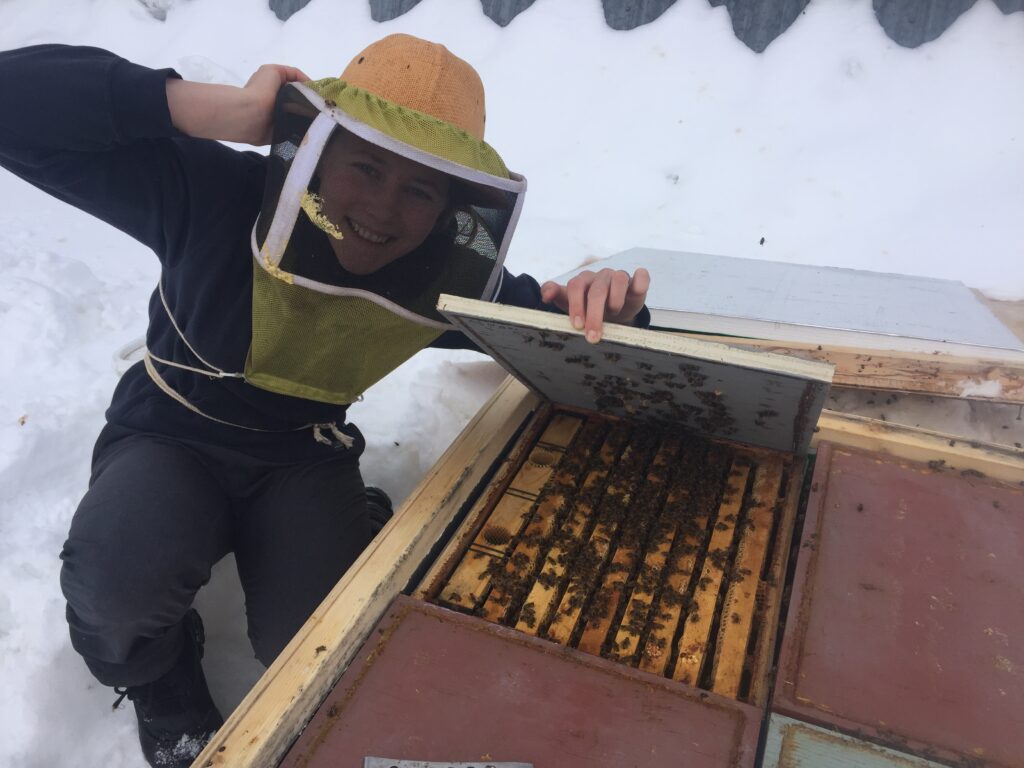
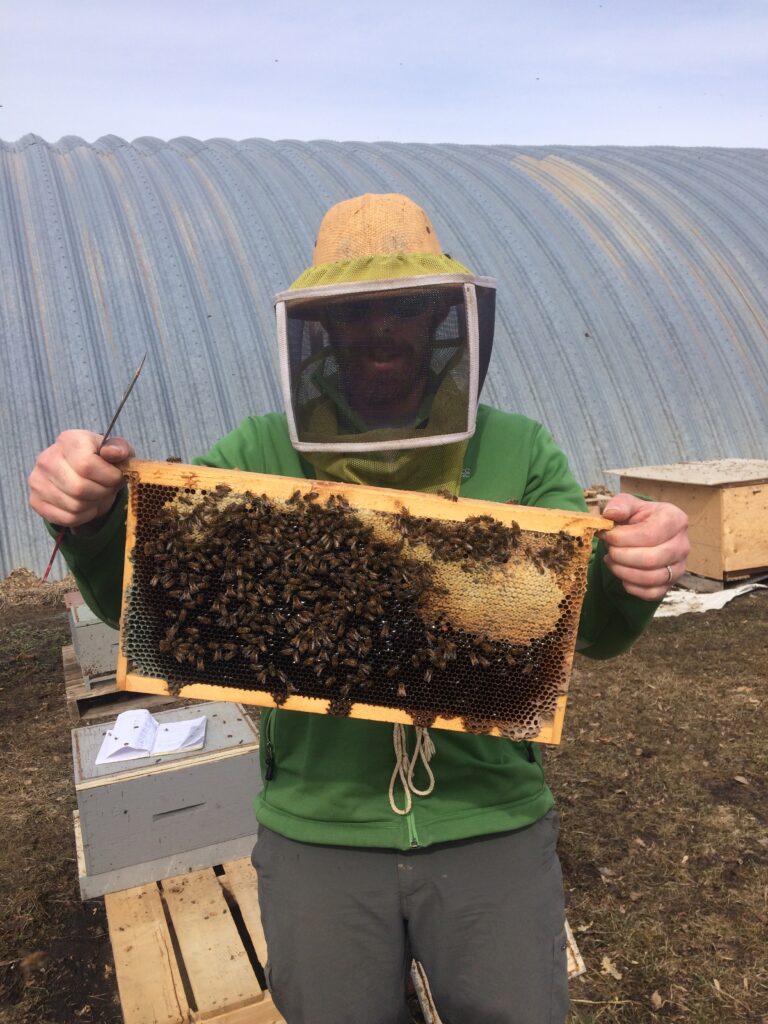
Here’s some photos from last week! Spring is here; the yards are getting unwrapped, their bottom boards cleaned, and feed topped up. Foragers are bringing natural pollen in, so they’ve abandoned the pollen supplement feeders we’ve provided, as is normal and good. Oxalic acid treatments are also underway!
For this post I’m going to focus on what we’ve tried for our beekeeping operation in treating for mites, and the pros and cons of each.
Oxalic Acid Vapor: This is #1 because it has been effective, consistent, and overall inexpensive. There aren’t many cons: Vaporization tools can be expensive up front cost but the acid is cheap, and secondly, wearing an organic acid classified mask is an absolute must while treating. Pros: Like mentioned above, it works well and quickly pays for itself, especially in a larger operation. (40+ hives) Operated with your choice of battery (you select upon ordering), it is quiet and quick, about 1 minute per colony. Thirdly, oxalic acid works out to about 8-10 cents per full treatment (3x) per hive.
Oxalic acid vapor must be used 3 times, 5-6 days apart each time. This is because the vapor only kills phoretic mites, which just means the ones that are above the caps. Under the caps, where they want to be, attaching themselves to developing bees, the vapor cannot harm them. Therefore, with 3 treatments, you encompass one whole brood cycle.
We use the InstantVap tool from Dancing Bee Equipment and have been thoroughly impressed. It delivers the vapor evenly, consistently, and also an easy and thorough way to clean the unit after using.
2. Formic Acid: this can be a really good option for those who prefer not to use miticides but don’t want to invest in an oxalic acid vaporizer tool just yet. It works by releasing the acid over a period of time.
Application requires no supers to be on during treatment, and wearing gloves is advised. Two strips impregnated with the acid are laid on top of the frames for a period of either 14 or 20 days depending on the option you choose.
We found it wasn’t as successful as oxalic acid vapor and have therefore stuck with the OAV, however, here’s the website for further research!
The third treatment we’ve done is Apivar miticide. We treated with Apivar in our first year of beekeeping (2017-2018) because we didn’t have OAV equipment and we needed something that was going to absolutely work for sure–to not lose our bees. It worked, all right! Our viewpoint on Apivar is that it is not preferable for our operation because we aim to keep our bees and live as organically as possible, when possible.
Note: links are products we’ve bought and used, and some we continue to use and appreciate. We don’t earn anything if you choose to buy them too.
2025/2026 winter was a tough one on the bees. Initally it was looking good with not too many temperature swings but as the winter wore on, we had high highs and low lows…and then spring teased us for a day or two in March but winter fought back and extended into late April before the Arctic blasts relented! We lost 20% of our colonies. Our best year was in 2017/2018 where we had 100% survival! Our worst was 88% before this year.
How did your bees do this winter?? Now that it’s warm, we can troubleshoot and find out the reason the dead ones died. Mites? Low population? Out of food? Too much condensation? Yellow jackets in fall? So many of these are easy fixes! Contact me to find out the answers if you can’t wait! In further blog posts I’ll write more about these topics! Also, make sure to clean your bottom boards so you can help the bees out with a task that is tough for them but very easy for us.
After you’ve found out how many of your honeybee colonies have survived the winter, they need some TLC to start building up strength and you as the beekeeper has many tools and resources at your disposal to help them before the flowers begin growing!
Here’s our typical spring schedule at Shalom Apiaries:
Watch the weather forecast in late February/early March for nice sunny +1C or warmer days, and have your sugar syrup mixed and ready! (We like to have a barrel mixed and waiting in the fall–hint: saturated sugar syrup will not freeze solid!) Open your colonies and feed them with this sugar syrup, as well as pollen patties to simulate a nectar and pollen flow. Your brood will reward you 🙂
Check again in 3 weeks, they may have eaten it and need more!
Unwrap your hives when the nights are above freezing. As long as they can get out and have two entrances, they’ll be able to cool the hive sufficiently on ‘hot’ days!
Clean the bottom board–but don’t just dump the refuse lying on it…it can tell you some important details of your colonies’ health. Look for things like mites, young dead bees, chalky looking cell remnants, bees with deformed wings.
Make sure they do not run our of feed; sugar syrup and pollen, before the dandelions start growing.
Products we use and love: frame feeder https://www.beemaidbeesupplies.com/products/frame-feeders?srsltid=AfmBOoq-4smKgnSLfmrNpTGBG9Ygz97OWaujTcRr_gBT6wflaUv2nyAz
Our sygar syrup recipe: 2 parts sugar to 1 part water, by weight. For example if you have 2 lbs of sugar you mix it with one lb of water. Hint: works best if the water is hot, or boiling when mixing! Be sure to cool it before feeding.
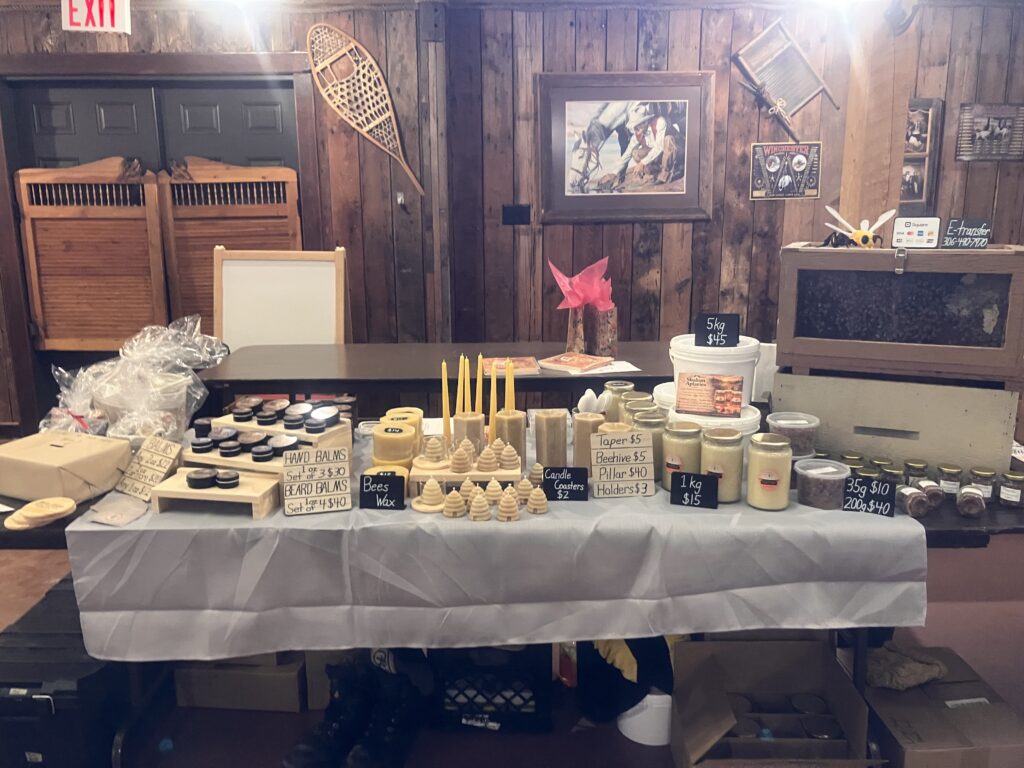
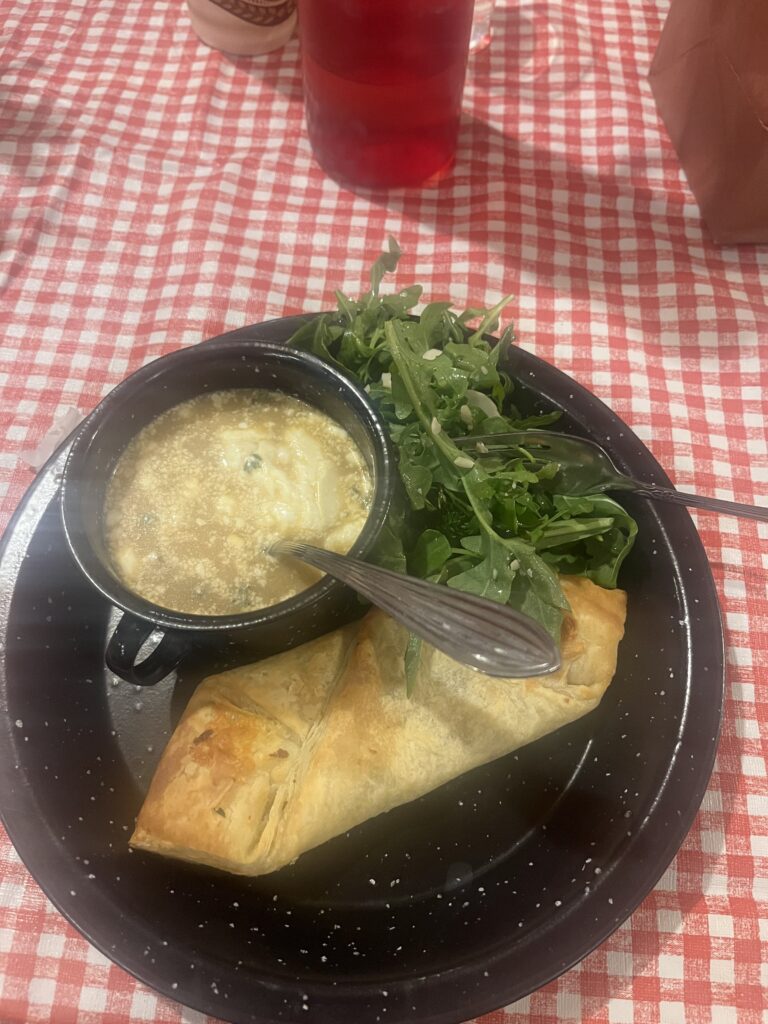
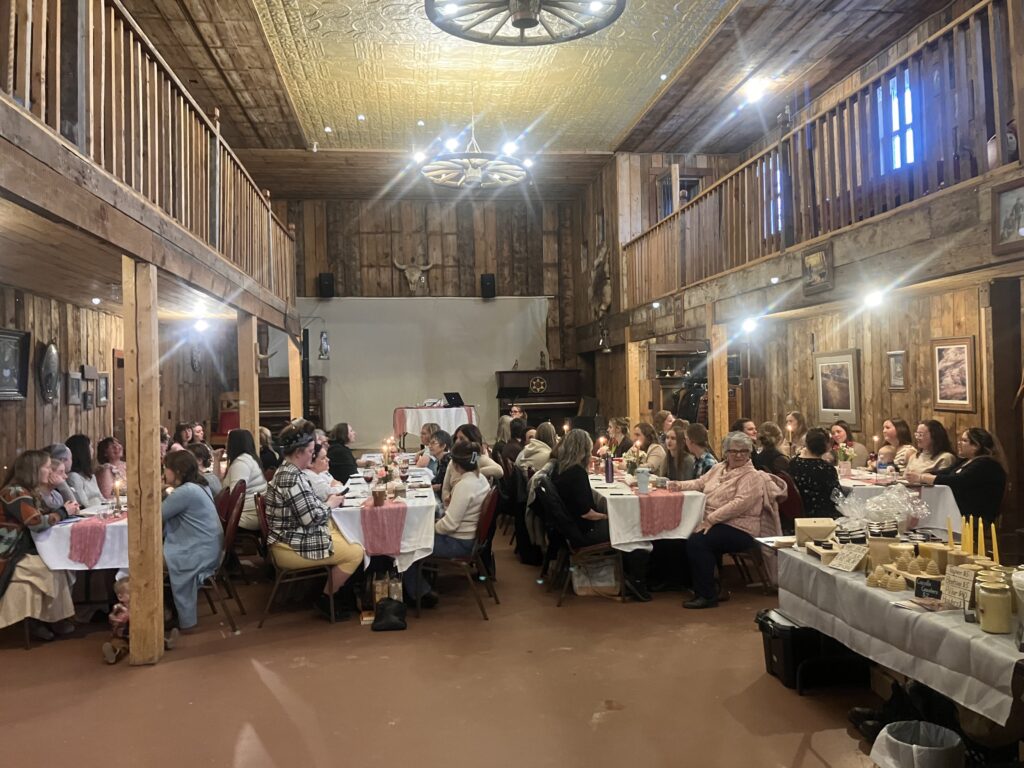
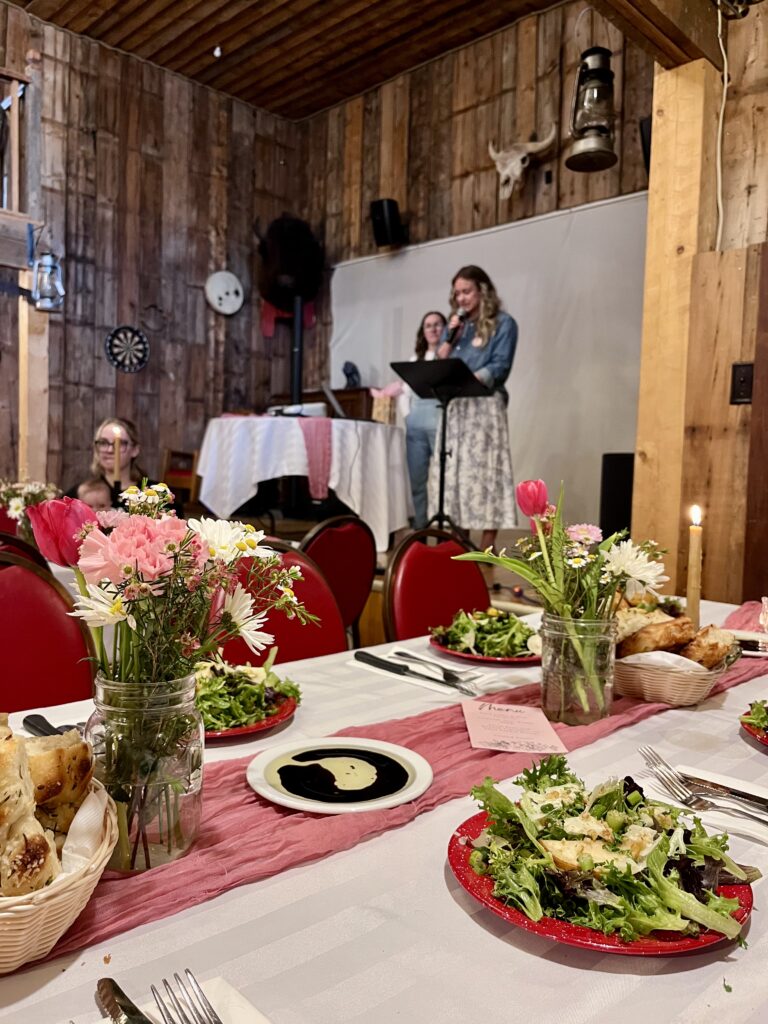
We had a very amazing and successful weekend at Champetre County April 24-25! Victoria was invited to give a beekeeping presentation and workshop and we also had our market table set up there over the weekend. It was a fantastic group of ladies, and despite the blizzard and bad roads outside, we had a very good turn out! Everyone was so interested in the bees, and so much support too. The food was absolutely delicious with dishes like homemade mushroom soup, smoked pork sausage and delicate salads!
We are excited to be a part of the homestead conference in Champetre County, in April 2026! Victoria will be presenting on honeybees and beekeeping and leading a workshop with a live colony of bees! Learn more about all that the conference has going on this year at windvalleyfarms.ca
Victoria Bartholomew is a beekeeper, homemaker, and mom. She began beekeeping with her Dad north of Saskatoon before marrying her husband, Tim, and moving to Paynton, where they started with just four colonies of bees. For seven years, they lived on a grain farm, keeping bees as a side venture with hopes of one day building it into a full-time apiary.
That dream began to take shape in early 2024 when they moved to the Redberry Hills. Both Victoria and Tim are passionate about producing raw honey, but even more captivated by observing and learning from the bees themselves—their intricacy, design, and harmony in how they live and work.
Victoria also has a deep interest in holistic health and takes great joy in growing and preparing nutrient-dense food for her family. She mills organic wheat for fresh flour, bakes with sourdough, keeps a steady batch of kombucha brewing, and lives by the philosophy that “food is medicine,” choosing whole foods as sources of nourishment and wellness. An avid hunter since the age of 12, Victoria has also taken deer with a bow. She loves the outdoors and enjoys Creation—whether from the seat of a kayak, the back of a horse, or among her bees, where she happily loses track of time.
Before you see the Saskatchewan canola fields bloom yellow in early July the bees are pollinating wild flowers and alfalfa. This creates a honey with a rich taste, with a golden color and it stays liquid longer. To capture this special flavor we harvest the first crop of honey before July so we can sell you pure Spring honey before it gets naturally mixed with the canola which gives makes the honey solidify sooner. Contact Tim or Victoria to arrange delivery in Saskatoon.